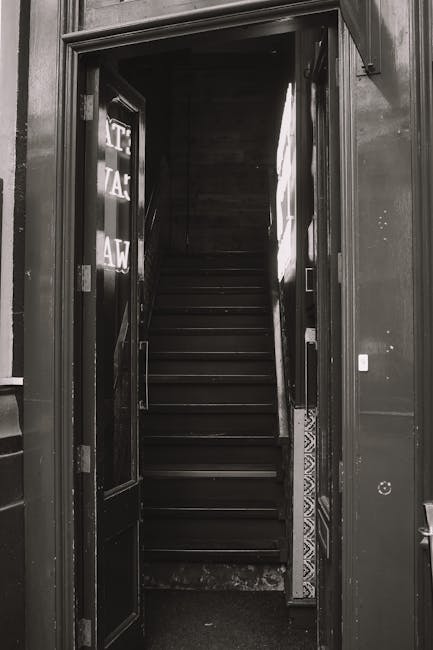
NW8 Flat Removals for Narrow Stairs and Access Solutions
If you live in a NW8 flat, you probably already know the problem: the move itself is only half the job. The real headache is getting sofas, wardrobes, white goods, and boxes down narrow stairs, around awkward bends, past bannisters that seem far too close, and through shared hallways that were clearly not designed with modern furniture in mind. That is exactly where NW8 flat removals for narrow stairs and access solutions make the difference.
This guide breaks down how difficult access moves are planned, what actually helps on the day, and how to reduce the risk of damage, delays, and that sinking feeling when a large item simply will not fit. Whether you are moving out of a period conversion, a mansion block, or a compact upper-floor flat, the same truth applies: good access planning saves time, money, and a lot of stress. Let's get into it.
Table of Contents
- Why NW8 flat removals for narrow stairs and access solutions Matters
- How NW8 flat removals for narrow stairs and access solutions Works
- Key Benefits and Practical Advantages
- Who This Is For and When It Makes Sense
- Step-by-Step Guidance
- Expert Tips for Better Results
- Common Mistakes to Avoid
- Tools, Resources and Recommendations
- Law, Compliance, Standards, or Best Practice
- Options, Methods, or Comparison Table
- Case Study or Real-World Example
- Practical Checklist
- Conclusion
- Frequently Asked Questions
Why NW8 flat removals for narrow stairs and access solutions Matters
In NW8, many flats sit inside older buildings, split-level conversions, and apartment blocks where access is the real puzzle. Staircases can be steep, landings can be tiny, and corners can feel almost comically tight. A move that looks straightforward on paper can become awkward very quickly once a mattress meets a turn it has absolutely no business trying to take.
That matters for three reasons. First, narrow access increases the chance of damage to furniture, walls, banisters, communal flooring, and door frames. Second, it can slow the entire move, especially if items need to be dismantled, wrapped, or carried in a different order. Third, it affects planning: the van size, the number of movers, the start time, and whether extra equipment is needed all depend on the building access.
To be fair, most moving problems are predictable. If a wardrobe is wider than the stairwell clearance, or if the lift is too small for a sofa frame, the issue is not really the furniture. It is the route. Good flat removals are less about brute force and more about understanding the route before anyone lifts a thing.
Expert summary: With narrow-stair removals, the best outcome usually comes from planning the route first, measuring the biggest items second, and only then deciding whether dismantling, lifting equipment, or an alternative access method is needed.
How NW8 flat removals for narrow stairs and access solutions Works
There is no single formula, because every building is different. Still, the process usually follows a similar pattern. A mover will look at the property layout, ask what items are being moved, and check the access points from the flat to the vehicle. In practical terms, that means looking at stair width, turns, hallway space, ceiling height, parking position, and whether there is a lift that can realistically be used.
From there, the moving team may recommend one or more access solutions. Sometimes that means careful dismantling of larger furniture before the move. Sometimes it means using protective covers and specialist carrying techniques. In more awkward cases, it can involve an alternative route, a temporary lift plan, or moving certain items at a different stage so that the staircase is not blocked.
The key is that the team does not guess. Good removals planning treats the building like a route map. Where is the tightest bend? What can be carried upright, and what cannot? Does a fridge need to be taken down on a sack truck or carried by hand? Those small questions matter more than people think.
What an access survey usually checks
- Stair width and the size of the narrowest turning point
- Presence and size of lifts, if any
- Parking distance from the entrance
- Shared entrance space and hallway width
- Floor protection needs in communal areas
- Whether furniture needs dismantling before the move
- Any items that may need an alternative handling method
If you have ever tried to turn a double wardrobe at the top of a steep staircase, you will know why this matters. It is never the first lift that gets you; it is the corner halfway down.
Key Benefits and Practical Advantages
When access solutions are planned properly, the move becomes calmer, cleaner, and usually quicker. That sounds obvious, but the difference is real. Narrow-stair removals are one of those jobs where a few thoughtful decisions can prevent an expensive chain reaction of delays and accidents.
Here are the main advantages:
- Less damage risk: careful routing, wrapping, and lifting reduce scuffs and scrapes.
- Faster loading: the team already knows which items need dismantling or special handling.
- Better protection for the building: communal stairs, lifts, and door frames stay in better condition.
- Less stress on moving day: fewer surprises, fewer arguments, fewer awkward pauses.
- More realistic scheduling: the job is planned around the actual access rather than an optimistic guess.
- Safer handling: movers can use the right technique for the staircase and item size.
A practical benefit people sometimes overlook is neighbour management. In shared buildings, a quiet, efficient move is usually appreciated. Nobody enjoys a hallway blocked by a sofa at 8:10 in the morning, especially if someone is trying to get a pushchair past. Keep things smooth, and everyone breathes easier.
Who This Is For and When It Makes Sense
This type of service is not only for people in very old buildings. It makes sense anywhere access is tight or unpredictable. In NW8, that often includes mansion blocks, split-level flats, basement conversions, top-floor walk-ups, and buildings with one small lift that seems designed for shopping bags rather than furniture. You know the sort.
It is especially useful if you are moving any of the following:
- Large sofas and armchairs
- Beds and mattresses
- Wardrobes, chest of drawers, and shelving units
- White goods such as washing machines and fridge-freezers
- Fragile or valuable items that should not be forced through tight spaces
- Office furniture from a home working setup
It also makes sense if you have time pressure. For example, if you have a landlord check-out, a chain waiting, or a van booked for a narrow loading window, there is very little room for improvisation. That is where access planning stops being a nice-to-have and becomes the sensible way to do the move.
Truth be told, if you are already wondering whether something will fit, that is a pretty good sign to measure it properly before moving day. A ten-minute measurement can save a very long morning.
Step-by-Step Guidance
A structured process keeps difficult flat removals manageable. Below is a practical way to approach them.
- Measure the furniture: note the height, width, depth, and any awkward protruding parts such as legs, arms, handles, or bed frames.
- Measure the access route: stair width, landing depth, door frames, hallway widths, and any turns that may affect movement.
- Check building rules: some blocks need advance notice for move-in or move-out times, lift bookings, or floor protection.
- Decide what can be dismantled: flat-pack items are easy, but older furniture may need professional disassembly.
- Plan the item order: large or awkward items should often be moved first while the route is clear.
- Protect the property: use covers, blankets, runners, and door protection where needed.
- Reserve parking and loading access: even a short extra walk can slow the move significantly.
- Brief the moving team: flag the awkward staircase, the tight bend, or the lift that only opens on one side.
A small but useful detail: photograph the stairwell and the largest pieces of furniture in advance. It is a simple step, but those photos can help a mover spot problems before they become real problems. It sounds almost too obvious. Yet it works.
If you are handling the move yourself with help from friends, do not underestimate the value of a clear sequence. Start with the hardest items, not the easiest. Once the stairs are tired and everyone is sweating a bit, the big wardrobe suddenly feels twice as heavy. Funny how that happens.
Expert Tips for Better Results
Experienced movers tend to focus on details that first-time movers often overlook. Those details are what keep narrow-stair removals under control.
1. Measure the tightest point, not just the staircase overall
People often measure the widest or most visible part of the stairs and assume that tells the whole story. It does not. The real issue is usually the narrowest turn, the top landing, or the gap near a handrail.
2. Remove anything that adds awkward bulk
Table legs, bed slats, mirrors, and detachable shelves can transform a painful carry into a realistic one. Sometimes a five-minute strip-down saves twenty minutes of manoeuvring.
3. Use the right wrapping for the right item
Soft furniture usually needs quilted covers or blankets. Glass, lacquered finishes, and TVs need a different approach. One wrap style does not suit everything, despite what people sometimes hope on moving day.
4. Protect the route before the lifting starts
Damage often happens at the doorway and landing, not in the van. Floor runners, edge protectors, and corner guards are worth the trouble.
5. Keep communication short and clear
On a staircase, people need simple instructions: pause, tilt, lift, turn, stop. Long explanations in the middle of a tight carry are not ideal. Nobody is enjoying a seminar on stair geometry at that moment.
One extra tip from real-world moves: keep tea, water, and a cloth for hands nearby. Narrow-stair removals are sweaty work, especially in summer. A little practical comfort goes a long way, and by 11:30 you will be glad of it.
Common Mistakes to Avoid
Most access problems come from a small handful of avoidable mistakes. The good news is that once you know them, they are easy to spot.
- Assuming furniture will fit without checking: guessing is how people end up turning a sofa three different ways and still not winning.
- Ignoring the landing space: some items fit on the stairs but cannot make the turn.
- Forgetting about parking distance: a long carry from the vehicle makes the whole move more tiring and slower.
- Not warning the movers about building quirks: hidden steps, tight lobby doors, and coded entrances can cause delays.
- Leaving dismantling until move day: if a bed frame needs taking apart, do it before the pressure is on.
- Skipping floor and wall protection: a small scuff on a communal wall can become a big inconvenience later.
- Trying to force oversized items through: this is where damage and injuries tend to happen, and neither is worth it.
The biggest mistake of all? Treating the access route as an afterthought. In a flat move, the route is the job. Everything else sits on top of that.
Tools, Resources and Recommendations
You do not need a truck full of specialist gear for every move, but the right tools make narrow access far safer. A good team will usually arrive prepared for the basics and then adjust depending on the property.
| Tool or item | Why it helps | Best use |
|---|---|---|
| Furniture blankets | Protects corners and surfaces | Sofas, tables, wardrobes, chest of drawers |
| Mattress covers | Keeps bedding clean and dry | Beds and mattresses |
| Floor runners | Protects communal floors and private hallways | Shared entrances and stair routes |
| Straps and dollies | Helps with controlled lifting and moving | Heavier loads and longer carries |
| Tool kit | Allows fast dismantling and reassembly | Beds, tables, shelving, appliances |
| Corner guards | Prevents damage on tight turns | Narrow halls and stair landings |
Recommendations are simple here. Use items that genuinely suit the route rather than loading the move with gear that sounds useful but gets in the way. And if you are buying packing materials yourself, choose stronger boxes than you think you need. Soft boxes collapse badly on stairs. Ask anyone who has watched a stack of books drift downhill one step at a time.
If you want to stay organised, keep one box or bag aside for essentials: keys, documents, chargers, water, basic tools, and a change of clothes. It sounds basic because it is basic. But basic works.
Law, Compliance, Standards, or Best Practice
Flat removals in London do not usually involve complicated legal procedures for the move itself, but there are still important standards and common-sense duties to follow. In shared buildings, you should check lease terms, building management rules, and any moving time restrictions before the day arrives. Some blocks require advance booking for lifts or loading bays, and some will ask for floor protection or proof of public liability cover from the removal company.
From a safety point of view, the main priority is to avoid manual handling injuries and protect both the movers and the property. Good practice normally includes proper lifting technique, adequate staffing for heavy items, and not attempting to carry items that are clearly too large for the access route. If an item is unsafe to move through a staircase, the responsible response is to change the method, not push harder.
If you are renting, remember that tenancy agreements often expect you to return the property in reasonable condition. That includes walls, floors, doors, and fixtures. In other words, a careful move is not only about convenience. It helps you avoid awkward conversations later, which nobody needs.
Where there is any doubt, the safest approach is to get the property details checked in advance and keep any building rules in writing. Quiet certainty beats last-minute confusion every time.
Options, Methods, or Comparison Table
There are usually several ways to handle a difficult flat move. The right one depends on the building, the furniture, and how much time you have.
| Method | Best for | Pros | Limitations |
|---|---|---|---|
| Standard hand carry | Small to medium items with manageable turns | Simple, flexible, often quick | Not suitable for oversized furniture |
| Furniture dismantling | Wardrobes, beds, shelving, and bulky tables | Makes tight access easier | Takes extra preparation time |
| Specialist protective carrying | Fragile or high-value items | Reduces damage risk | May need experienced movers |
| Alternative access route | Buildings with secondary entrances or better lift access | Can solve awkward internal routes | Not always available |
| Timed or phased move | Busy buildings or constrained loading spaces | Helps manage shared access | Requires more planning |
In practice, the best option is often a mix. For example, a bed frame might be dismantled, the mattress wrapped, and the wardrobe carried only after the hallway is cleared and protected. Simple on paper, a little fiddly in real life, but very manageable with the right approach.
Case Study or Real-World Example
Imagine a top-floor NW8 flat with a narrow internal staircase, a compact entrance hall, and a bulky three-seater sofa that has served faithfully for years. The sofa is in decent condition and the owner wants to take it to the new place rather than replace it. On first glance, it looks like a normal move. Then you measure the landing and realise the turn is tighter than expected.
So what happens? The mover checks whether the sofa legs can be removed. They can. The item is wrapped, the route is protected, and the team shifts the sofa one end at a time through the most awkward section. A wardrobe gets dismantled before lifting. A glass table top is moved separately and secured upright. The loading bay is confirmed the day before, so there is no circling the block looking for space at the worst possible moment.
The result is not dramatic. Which is exactly the point. No panic, no scraped banister, no one muttering about geometry under their breath. The move feels organised because the access challenge was treated seriously from the start. That is the difference a proper plan makes.
People sometimes expect difficult access to mean difficult outcomes. Not necessarily. Difficult access just means the method has to be smarter.
Practical Checklist
Use this checklist before move day if your flat has narrow stairs or awkward access.
- Measure the largest furniture pieces
- Measure stair width, landings, and door frames
- Check whether items can be dismantled
- Confirm lift size and lift booking rules if relevant
- Ask about parking and loading access near the building
- Protect floors, walls, and corners in advance
- Pack a box of essentials separately
- Label fragile and awkward items clearly
- Tell the movers about any tight bends or hidden steps
- Keep keys, building codes, and contact numbers to hand
- Allow extra time for difficult access, because things rarely move at quite the speed you imagine
If you can tick most of those off before the van arrives, you are already in good shape.
Conclusion
NW8 flat removals for narrow stairs and access solutions are really about good judgement. The building tells you how the move needs to work. Once you respect the route, measure properly, and choose the right method for each item, the whole experience becomes much easier to handle.
The best moves are not always the fastest ones on paper. They are the ones that finish without damage, without unnecessary stress, and without anyone wishing they had measured that wardrobe properly in the first place. That is what careful planning gives you: a calmer day, a safer move, and a better result overall.
Get a free quote today and see how much you can save.
And if the staircase looks a bit impossible at first glance, that is usually just the moment where good planning starts to earn its keep.
Frequently Asked Questions
What makes NW8 flat removals for narrow stairs and access solutions different from a standard house move?
The main difference is access. In a flat, especially in NW8, the staircase, hallway, lift, and parking situation can affect almost every part of the move. A standard house move often has wider internal space and easier loading. With a flat, you may need dismantling, extra protection, and a more careful sequence.
How do I know if my furniture will fit down the stairs?
Measure the widest and tallest parts of the furniture, then compare those measurements with the narrowest points on the access route. Do not forget the turns and landings. If you are unsure, take photos and share them with the removal team. That usually gives a clearer answer than guesswork.
Should I dismantle furniture before the movers arrive?
If you can safely dismantle items such as beds, shelves, or tables in advance, it often helps a lot. It reduces the time spent on site and can make tight access far easier. That said, if the item is delicate or complex, it may be better to let experienced movers handle it.
Can a removal team move items through very narrow or steep stairs safely?
Yes, often they can, but only if the access route is assessed properly and the right method is used. Some items will need wrapping, team lifting, or dismantling first. If something is genuinely too large or too risky, the team should change approach rather than force it.
What should I tell the removals company before moving day?
Tell them about stair width, lifts, parking, loading restrictions, awkward turns, and any items that may be too large or fragile. The more accurate the detail, the better the plan. A quick heads-up about one tight corner can save a lot of time.
Do narrow stairs mean the move will cost more?
It can, because difficult access may require extra time, additional staff, dismantling, or specialist equipment. The exact cost depends on the property and the items being moved. It is usually better to plan properly than to face delays that could have been avoided.
What if my building has a small lift?
A small lift can still help, but only if the furniture fits safely and the building allows its use. Some items may be moved in sections or by another route instead. A lift that technically exists is not always a practical solution, so it needs checking early.
How can I protect walls and floors in a shared stairwell?
Use floor runners, blankets, edge protectors, and careful handling around corners and doors. Shared buildings often benefit from extra protection because damage affects not only you but also neighbours and management. A little protection upfront can save trouble later.
What are the most common items that cause problems on narrow stairs?
Wardrobes, sofas, large mattresses, fridge-freezers, and bulky tables are the usual culprits. They may fit one way but not another, or they may get stuck on a landing turn. In many cases, removing legs or taking items apart resolves the issue.
Is it worth booking professional help for a small flat move?
If the access is awkward, yes, often it is. Even a small move can become complicated if the stairs are steep or the hallway is tight. Professional help is especially useful when you have large furniture, limited time, or items that need careful handling.
What should I do if something gets stuck halfway down the stairs?
Stop and reassess. Forcing it usually makes the problem worse. The right response is to rotate the item, remove parts if possible, or change the route. This is where patience pays off, even if everyone is standing around with that slightly trapped look on their faces.
How far in advance should I plan access for a NW8 flat removal?
As early as you can. A few days may be enough for a simple move, but for awkward access, early planning gives you time to measure, dismantle furniture, book parking, and check building rules. The tighter the staircase, the earlier you should start thinking about it.